I Gave Up My Seat on the Bus—What the Elderly Man Said Next Changed My Perspective on Life
After a long day at work, most people don’t want to deal with a crowded journey. But small acts of kindness can sometimes lead to the most memorable human moments. Someone who was tired gave up their place to an old man without giving it a second thought. After that, they had a quiet talk that was more emotional than either of them thought it would be.
The man quietly told the driver that he hadn’t talked to anyone in four days and that he just needed someone to listen. In a world that feels rushed and detached a lot of the time, this short conversation taught me that being kind isn’t always about fixing things. It’s about being there for someone, even if they are a stranger. And the decisions we make every day are where we find what’s important.
The small acts of empathy you do every day can have a much bigger positive impact than you think
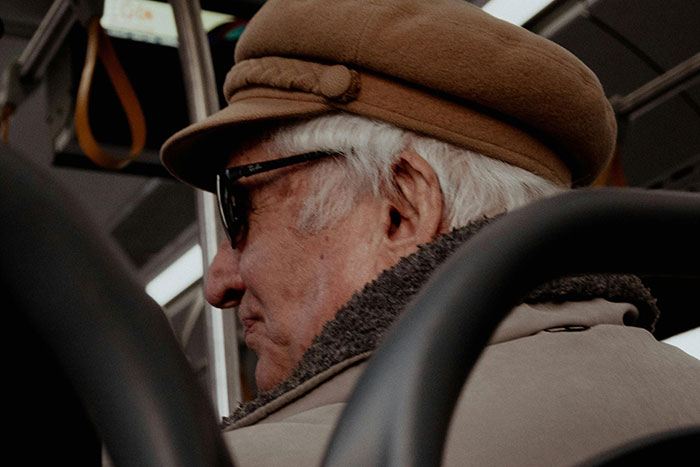
A person shared how an older gentleman reacted to their moment of kindness on public transportation
The daily grind is something that a lot of people know all too well. It’s easy to lose touch with the world outside of our daily lives when we have to deal with meetings, schedules, and commutes. On the other hand, there are times when something surprisingly human, like a crowded bus after work, tells us to slow down, look up, and really connect.
This story starts with being tired. The storyteller didn’t want to talk or think because they had just finished a long day. They were glad to find a seat on a bus that was already full. When a tired old man stepped on, though, and there was nowhere to sit, the storyteller got up and offered their spot.
It was a small act of kindness that many people learnt to do as kids. What happened next, though, wasn’t normal.
As he sat down, the man smiled and started to talk after a short silence. That person was asked about their job, their life, and how things were going. Still tired from the day, the narrator replied to be polite, but he soon found the man’s energy to be soothing, honest, and kind.
Then there was the moment that stuck.
The man said, “I haven’t talked to anyone in four days.” “All I wanted was someone to hear me.”
That one line changed the whole conversation. It was no longer about the place. It was about connecting with other people in a world that forgets about the lonely too often. The CDC says that more than one-third of people aged 45 and up say they feel lonely. Being alone with no one to talk to can be just as bad for your health as smoking 15 cigarettes a day for older people, especially those who live alone or far away from family.
A lot of people, including this man, didn’t need a big move. They just needed someone to listen. Someone to let him know they saw him, even if it was only for a short ride. What could have been a boring bus ride became something very important at that moment.
Something very new and different about that.
People are often told to “hustle harder,” to be more productive, and to keep their energy up in today’s busy world. This story, on the other hand, shows that being kind doesn’t cost anything, but it means a lot.
This act of empathy shows what psychologists mean by “compassionate presence,” which means giving someone your full attention and mental support without trying to change or fix them. Being there is enough. Psychology Today says that one of the most important gifts a person can give is to listen without judging or getting in the way. It makes other people feel good, builds trust, and may even help with anxiety and sadness.
For many, public travel is a place where they can be alone. People don’t look at each other, look at their phones, or listen to music. But this story shows that real human connection is still possible even in places where people don’t talk to each other. It changes people, both the person who gives and the person who receives.
The storyteller didn’t think that day would be important. They had no plans to save someone’s life. They were, though. Kindness done by strangers is wonderful because you never know who might need it the most.
It also serves as a warning that each of us has more power than we think to combat loneliness and social exclusion, especially among the elderly. Things as simple as a smile, a conversation, or being ready to make room are what make a big difference.
The storyteller thinks about this moment and asks a question we should all think about:
Have you ever done something small that changed the way you felt about your day? Or changed the way you saw something normal that you used to think was normal?
People need these kinds of stories to remember how much we are alike. They remind us of how vulnerable we are, how much we depend on each other, and how strong our emotions can be in a world that is so focused on efficiency, convenience, and freedom.
And if you’ve ever been hesitant to do something nice for someone, this story might be the push you needed. Give a stranger a seat, hold the door, or even just a smile the next time you see them. It could be the first real relationship they’ve had all week.